
 By
By Modern devices increasingly rely on innovative power solutions that reduce dependence on batteries and wired electricity. energy harvesting addresses this need by converting small amounts of ambient energy into usable electrical power. This approach supports sustainable design while enabling systems to operate autonomously.
How Energy Harvesting Works
Energy harvesting systems capture energy from sources such as light, heat differences, vibration, and radio frequency signals. Specialized transducers convert these inputs into electrical current, which is stored or used immediately.
While individual energy outputs are modest, they are sufficient for low-power electronics. Sensors, monitoring devices, and wearable technologies benefit most from this approach due to their minimal energy requirements.
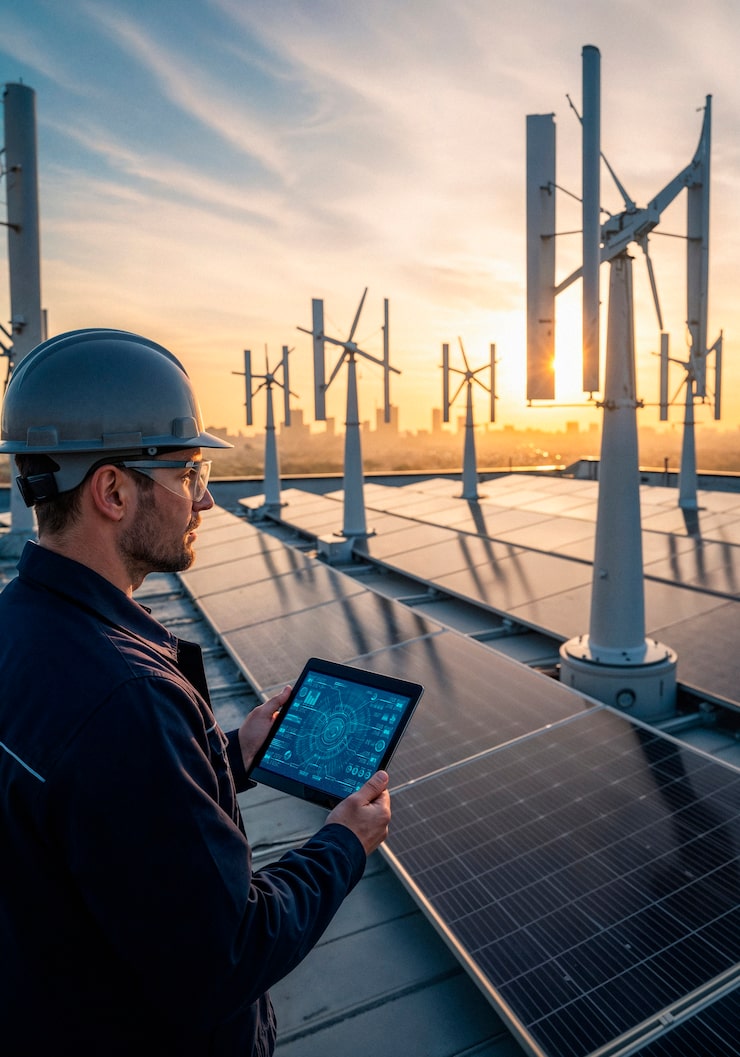
energy harvesting
Key Benefits of Energy Harvesting
One major advantage of energy harvesting is reduced maintenance. Devices can operate for years without battery replacement, lowering operational costs and minimizing downtime. This is especially valuable in remote or hard-to-reach locations.
Environmental benefits also stand out. Harvesting ambient energy reduces waste from disposable batteries and lowers overall power consumption. These systems support sustainability goals while enhancing reliability.
Real-World Applications
Energy harvesting powers wireless sensor networks used in infrastructure monitoring, agriculture, and smart buildings. Industrial equipment uses vibration-based harvesting to monitor machine health without wiring.
Wearable devices and medical sensors also benefit from this technology, improving comfort and usability. Even consumer electronics increasingly integrate small-scale harvesting methods to extend battery life.
Design Challenges and Limitations
Despite its promise, energy harvesting presents challenges. Available energy levels fluctuate, requiring efficient power management and storage solutions. Engineers must balance energy availability with device performance.
Advancements in materials and circuit design continue to improve efficiency. Flexible harvesters and ultra-low-power electronics expand the range of possible applications, making systems more adaptable and resilient.

energy harvesting
Future Outlook
As demand for autonomous systems grows, energy harvesting will become increasingly important. Research focuses on hybrid approaches that combine multiple energy sources for consistent output.
Near the end of many sustainability discussions, energy harvesting emerges as a practical path toward self-powered devices and long-term operational efficiency.