
 By
By Magnetic data systems have quietly supported the digital world for decades. From enterprise archives to personal backups, magnetic storage continues to play a central role in how information is recorded, preserved, and accessed. While newer storage options grab headlines, magnetic-based solutions remain deeply relevant due to their stability, affordability, and proven performance.
Understanding Magnetic Storage Fundamentals
At its core, magnetic storage relies on magnetized materials to represent digital data. Information is encoded as tiny magnetic regions on coated disks or tapes, each representing binary states. This method allows data to persist without power, making it ideal for long-term retention.
Devices such as hard disk drives and magnetic tape libraries are designed to balance speed, density, and durability. Over time, engineering improvements have dramatically increased capacity while maintaining reliability. These systems thrive in environments where data integrity matters more than ultra-fast access.
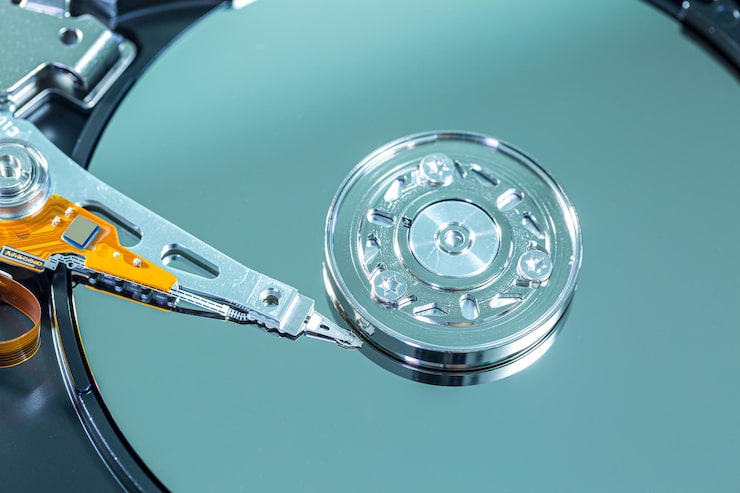
magnetic storage
Why Magnetic Storage Still Matters Today
Despite advances in flash and cloud platforms, magnetic storage remains unmatched for large-scale archival needs. Its cost per gigabyte is significantly lower, making it practical for organizations managing massive volumes of records, logs, and backups.
Another advantage lies in longevity. Properly stored magnetic media can retain data for decades. This durability makes it attractive for compliance-driven industries such as finance, healthcare, and government operations. The ability to store vast datasets offline also enhances security by reducing exposure to online threats.
Applications Across Industries
Magnetic-based systems power data centers, broadcast archives, research institutions, and disaster recovery operations. Enterprises use them to safeguard historical data while maintaining predictable performance and operational costs.
Media organizations depend on tape libraries to preserve high-resolution content. Scientific institutions rely on magnetic platforms to store experimental data that may not be accessed frequently but must remain intact. These use cases highlight the flexibility and resilience of the technology.
Challenges and Ongoing Improvements
Magnetic media is not without limitations. Mechanical components introduce wear, and access speeds lag behind solid-state options. However, modern designs mitigate these issues through improved materials, error correction, and predictive maintenance tools.
Innovations in recording density and drive architecture continue to push capacity boundaries. Engineers focus on extending lifespan while reducing power consumption and physical footprint. These improvements ensure that magnetic storage evolves alongside modern computing needs.

magnetic storage
Looking Ahead
As data creation accelerates, long-term storage solutions become more critical. Magnetic platforms are well positioned to support this growth by offering scalable, dependable storage without excessive costs. Their role may shift toward archival and backup functions, but their importance remains strong.
Organizations seeking reliable, time-tested storage continue to rely on magnetic systems for peace of mind and operational efficiency. Near the conclusion of any storage strategy discussion, magnetic storage still earns its place as a trusted foundation for preserving digital history.