 By
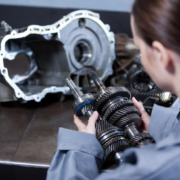
By Modern vehicles are designed to provide drivers with a smooth and comfortable driving experience. One of the most important technologies that has contributed to this convenience is the automatik getriebe, commonly known as the automatic transmission. Unlike manual systems that require constant gear shifting by the driver, automatic transmissions handle gear changes automatically, allowing drivers to focus more on the road.
However, like any complex mechanical system, automatic transmissions require proper care to function efficiently. Maintenance tasks such as an automatikgetriebe ölwechsel play a critical role in ensuring performance, longevity, and reliability. Understanding how automatic transmissions work and how to maintain them properly can help drivers avoid costly repairs and improve overall vehicle performance.

How an Automatik Getriebe Works
The Basic Principle of Automatic Transmissions
An automatik getriebe is designed to automatically select the optimal gear ratio based on driving conditions. Instead of relying on a clutch and manual gear selection, the system uses hydraulic pressure, sensors, and electronic control units to manage gear changes.
Key components include:
- Torque converter
- Planetary gear sets
- Transmission fluid system
- Electronic control module
These parts work together to transfer power from the engine to the wheels while maintaining smooth acceleration and efficient performance.
Role of Transmission Fluid
Transmission fluid plays a crucial role inside the automatic gearbox. It serves multiple purposes:
- Lubricating moving components
- Cooling internal parts
- Providing hydraulic pressure for gear shifts
- Preventing excessive wear
Because the fluid performs several important functions, its condition directly affects the performance of the automatik getriebe.
Why Regular Automatikgetriebe Ölwechsel Is Important
Preventing Wear and Overheating
Over time, transmission fluid breaks down due to heat, friction, and contamination from metal particles. When this happens, the fluid can no longer provide adequate lubrication and cooling.
An automatikgetriebe ölwechsel removes degraded fluid and replaces it with fresh fluid, helping the transmission operate efficiently. Without this maintenance, internal components may wear prematurely, leading to expensive repairs.
Maintaining Smooth Gear Changes
One of the most noticeable signs of worn transmission fluid is rough or delayed shifting. Drivers may experience jerking movements, hesitation when accelerating, or unusual noises.
Regular fluid changes help maintain consistent hydraulic pressure within the transmission system. This ensures smoother gear transitions and improves overall driving comfort.
Extending Transmission Lifespan
Automatic transmissions are among the most complex and costly components in a vehicle. Preventive maintenance such as routine fluid replacement can significantly extend the lifespan of the gearbox.
Drivers who follow recommended service intervals often avoid major transmission failures and maintain better long-term vehicle reliability.
Signs Your Automatic Transmission Needs Attention
Delayed or Slipping Gears
If a vehicle struggles to shift gears or feels like it is slipping between gears, it may indicate low or degraded transmission fluid. These symptoms should not be ignored, as they often signal early transmission problems.
Unusual Noises or Vibrations
Grinding, whining, or humming sounds during gear changes can point to internal wear or insufficient lubrication. Vibrations while driving may also indicate issues within the automatik getriebe.
Transmission Fluid Discoloration
Healthy transmission fluid typically appears red or pink and has a mild odor. If the fluid becomes dark, burnt-smelling, or contaminated with debris, it may be time for an automatikgetriebe ölwechsel.
Professional inspection can help determine whether the fluid needs replacement or if additional service is required.
Best Practices for Maintaining Automatic Transmissions
Follow Manufacturer Service Intervals
Every vehicle manufacturer provides recommended maintenance intervals for transmission service. These guidelines are based on extensive testing and should be followed carefully.
Ignoring service intervals can lead to accelerated wear and reduced transmission efficiency.
Choose Professional Inspection and Service
Automatic transmissions involve complex hydraulic and electronic systems. Proper servicing requires specialized equipment and technical expertise.
Professional transmission specialists, such as those at
https://www.veltech.at/, provide diagnostic tools and experience necessary to evaluate the condition of an automatik getriebe and perform accurate maintenance procedures.
Avoid Excessive Heat and Stress
Driving habits also influence transmission health. Frequent heavy towing, aggressive acceleration, or stop-and-go traffic can increase transmission temperatures.
Drivers can help protect their transmission by:
- Allowing the vehicle to warm up in cold conditions
- Avoiding sudden acceleration
- Monitoring transmission fluid levels
- Scheduling regular inspections
These practices reduce stress on internal components and contribute to longer transmission life.
Conclusion
The automatik getriebe has become a standard feature in modern vehicles, offering convenience, efficiency, and smoother driving experiences. While the technology behind automatic transmissions is sophisticated, proper maintenance remains the key to long-term reliability.
Routine procedures such as an automatikgetriebe ölwechsel help protect internal components, maintain smooth gear changes, and prevent costly mechanical failures. Recognizing early warning signs and following recommended service intervals can make a significant difference in the lifespan of the transmission.