 By
By In an era defined by smart factories and Industry 4.0, digital twins are revolutionizing the way manufacturers operate. These virtual replicas bridge the gap between the physical and digital worlds, unlocking real-time insights, predictive intelligence, and operational agility. From shop floor to supply chain, digital twins enable manufacturers to drive efficiency, minimize downtime, and accelerate innovation.
What Are Digital Twins in Manufacturing?
A digital twin is a dynamic, virtual model of a physical object, process, or entire plant. In manufacturing, this means crafting a digital replica of equipment, production lines, or the whole factory, integrating data from sensors, IoT devices, and production systems. The result? A synchronized, evolving model that mirrors actual operations, provides actionable insights, and supports smarter decisions at every stage.
Digital twins stand apart from simpler digital shadows by enabling two-way communication—allowing not just monitoring but also remote control and optimization of assets, processes, and workflows.
Key Applications of Digital Twins in Manufacturing
1. Equipment Monitoring and Predictive Maintenance
Digital twins continuously track machine health, performance metrics, and environmental data. Real-time monitoring helps manufacturers:
-
Detect anomalies before they escalate
-
Predict equipment failures and schedule just-in-time maintenance
-
Minimize unplanned downtime and extend asset life
This proactive approach drives significant cost savings and ensures optimum use of manufacturing assets.
2. Process and Production Optimization
By simulating different operational scenarios, digital twins help manufacturers find the best ways to run machinery and orchestrate workflows. Examples include:
-
Dynamic, automated production scheduling
-
Identifying and addressing production bottlenecks
-
Running “what-if” analysis to evaluate new layout or process changes
This level of precision yields higher throughput, better quality, and reduced resource consumption.
3. Quality Assurance and Product Development
With a digital twin, manufacturers can:
-
Conduct virtual prototyping and commissioning to validate designs before physical implementation
-
Analyze and refine manufacturing processes to ensure products consistently meet quality standards
-
Trace root causes of quality defects using detailed product and process histories
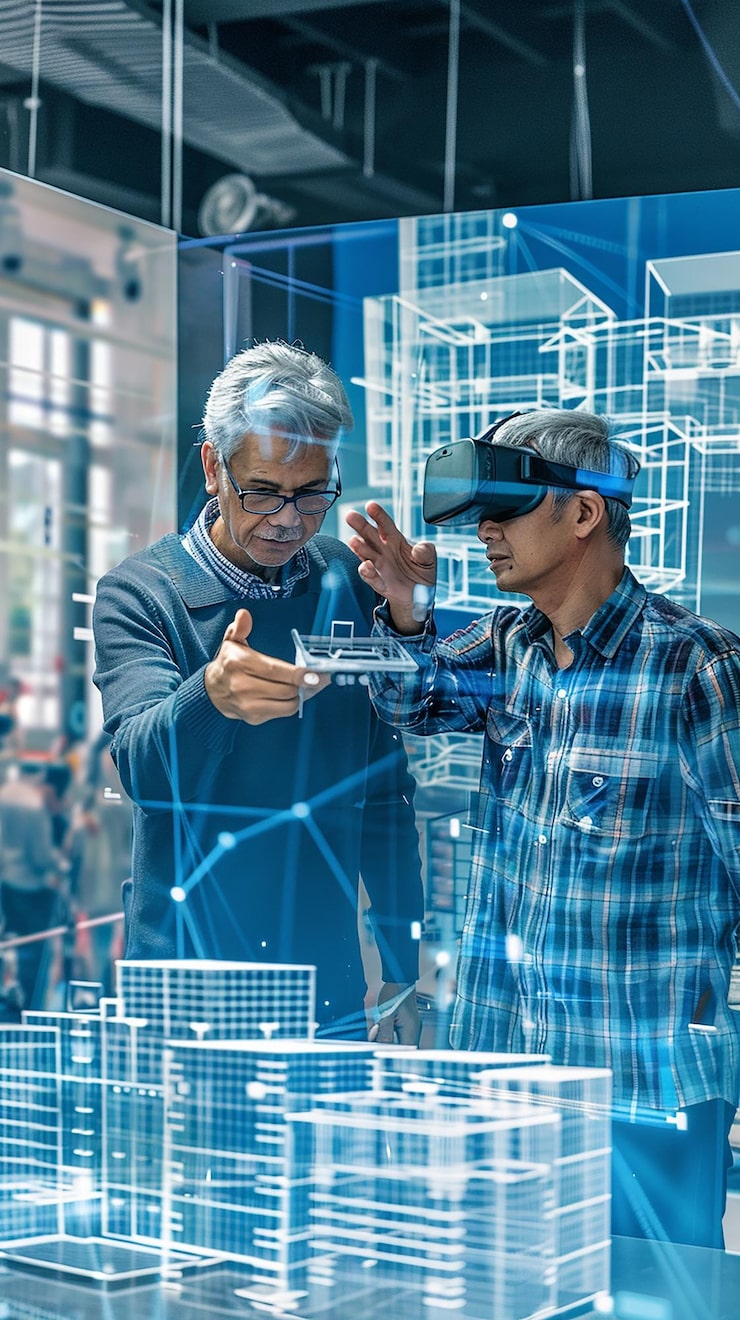
4. Facility and Space Planning
Digital twins provide a dimensionally accurate view of plants and equipment, enabling:
-
Safer and more efficient space utilization
-
Compliance with safety regulations (e.g., fire exits, equipment spacing)
-
Easy design changes before committing to physical modifications
5. Training and Remote Collaboration
Manufacturers use digital twins to:
-
Provide immersive, risk-free training for new operators
-
Enable remote site inspections, global collaboration, and virtual guest tours
-
Centralize asset documentation for easier maintenance and audits
Industry Impact and Adoption Trends
Manufacturers are embracing digital twins at an accelerating pace. According to a 2022 McKinsey survey, 44% of industrial organizations had already implemented a digital twin, with another 15% planning deployment. The primary drivers include:
-
Rising material and labor costs
-
Need for real-time operational visibility and rapid decision-making
-
Demand for resilient, scalable, and sustainable manufacturing environments
Industries from automotive and aerospace to electronics and energy are leveraging digital twins to compress time-to-market, drive continuous improvement, and meet evolving market demands.
Challenges and Considerations
While digital twins offer immense benefits, successful implementation requires:
-
Reliable data integration from varied sources (IoT, MES, ERP)
-
High levels of data accuracy, integrity, and cybersecurity
-
Employee training to leverage twin-driven insights
-
Change management to align processes and culture with digital transformation
Conclusion
Digital twins are more than a tech trend—they’re a paradigm shift in manufacturing. By bringing together data, simulation, and real-time analytics, digital twins empower manufacturers to elevate performance, respond rapidly to disruptions, and pave the way for sustainable, intelligent production. As the technology matures and adoption broadens, digital twins will serve as the backbone of future-ready factories—driving innovation at every turn.